
The result of the operation largely depends on the patient's preparation for the operation, the assessment of the risks of anesthesia, taking into account the existing diseases and their anamnesis, the choice of the correct type of anesthesia and the early postoperative period.
All these issues are under the control of the anesthesiologist, so consultation before surgery is a mandatory condition.
TYPES OF ANESTHESIA
Local anesthesia
During local anesthesia, an anesthetic agent is injected into the tissues of the operated area, temporarily blocking the sensation of pain. The patient remains conscious. This method is used for minor surgical manipulations and procedures.
Regional anesthesia
During regional anesthesia, an anesthetic agent is injected near a nerve or nerve plexus, blocking the transmission of pain impulses in a specific part of the body. The effects of anesthesia may begin gradually.
Spinal anesthesia
During spinal anesthesia, an anesthetic agent is injected into the subarachnoid space of the lumbar spine. It temporarily blocks the sensation of pain and movement in the lower body. The patient usually remains conscious, but may receive sedative medications if necessary. The anesthesiologist chooses the most suitable method of anesthesia, taking into account the type of operation and the patient's state of health.
General anesthesia
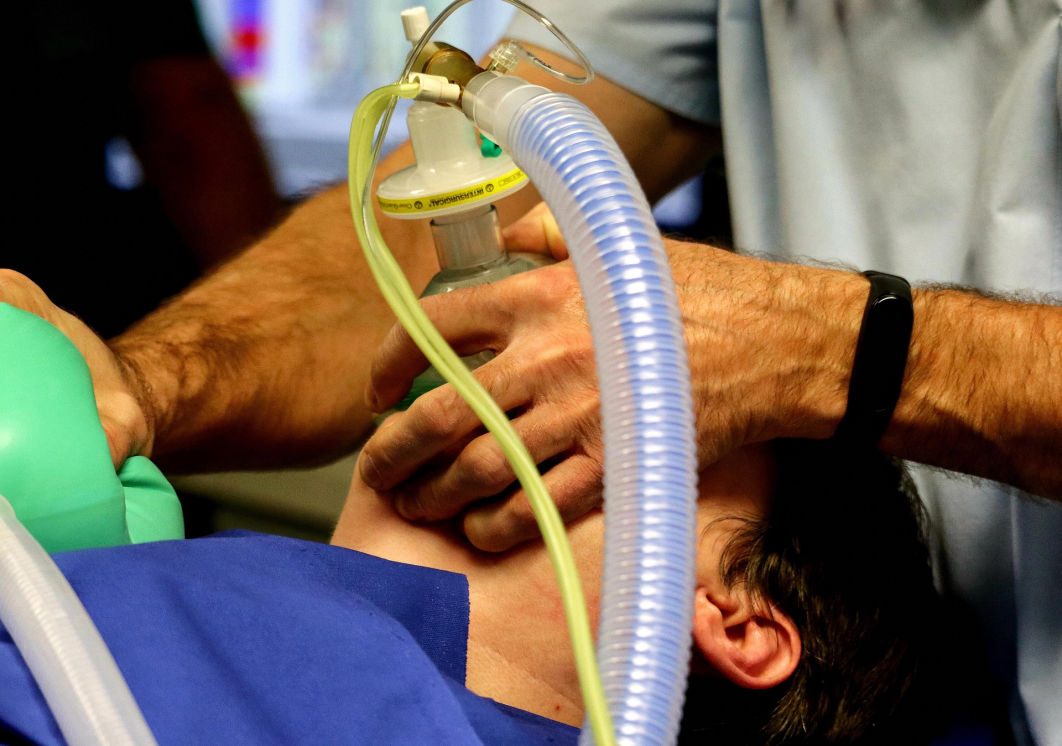
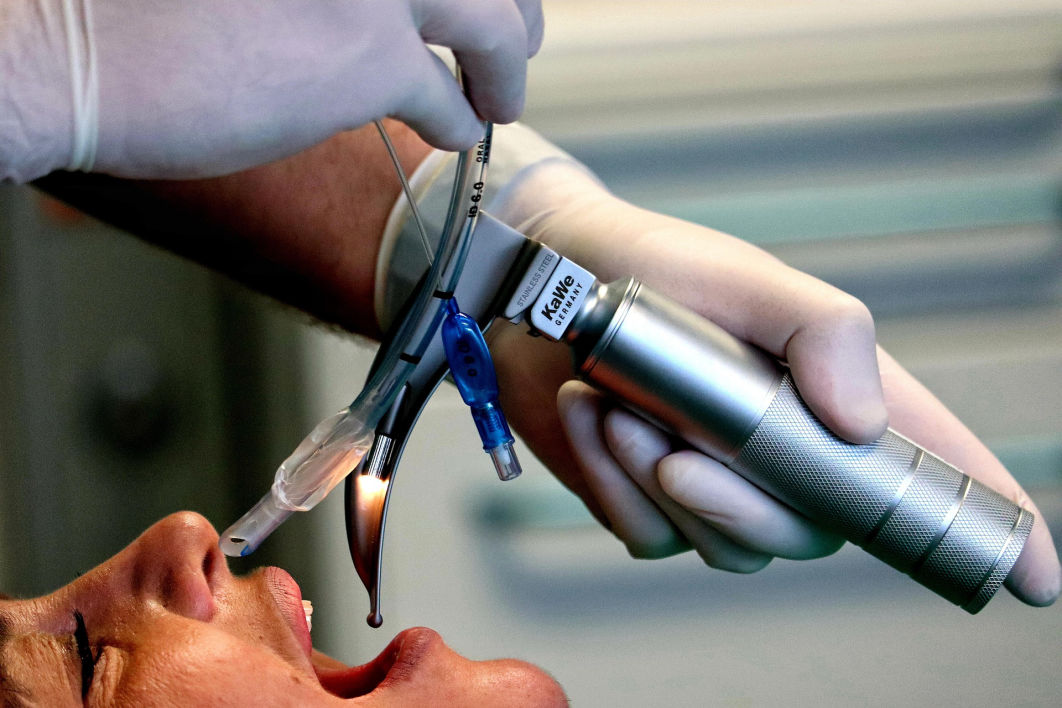
During general anesthesia, the patient is in a medicated sleep. The anesthesiologist continuously monitors breathing, blood circulation and other vital functions. Depending on the type of surgery, a laryngeal mask or an endotracheal tube may be used to ensure airway patency.


BEFORE THE OPERATION
- General blood analysis
- General urine analysis
- Blood biochemistry (blood glucose, bilirubin, urea, creatinine, potassium, sodium, alkaline phosphatase, amylase, AST, ALT)
- Prothrombin
- Blood clotting time
- HIV testing data
- Hepatitis B
- Hepatitis C
- Blood group, Rh factor (required on a separate form, with a laboratory stamp; the presence of a blood group stamp in the passport is irrelevant)
- chest x-ray (no more than 6 months ago)
- EKG
Stop taking aspirin and aspirin-like medications (diclofenac, ibuprofen, and others) one week before surgery. However, if you are taking aspirin once a day for the treatment of cardiovascular or nervous system diseases, be sure to consult our doctor.
If you are taking medicines that reduce blood clotting, be sure to consult our doctor.
Be sure to bring any medications you regularly take at home.
Do not eat or drink anything after 9:00 pm the night before surgery or the morning of surgery.
The night before surgery or the morning of surgery, in the shower.
If the doctor or anesthesiologist prescribes any pills for you before the operation, swallow them with a little water.

Cost of outpatient services
Consultations and diagnostics are carried out by appointment:
- with a referral from a family doctor (state program, only the patient's contribution is paid);
- without family doctor referral as paid services (the full service fee is paid).
The clinic has concluded an agreement with insurance companies for the provision of outpatient and inpatient services (more details here).
*The indicated prices are valid for residents of Latvia.
Clinic partners
The clinic works with insurers, laboratories and healthcare partners.