
Health self-assessment questionnaires
Short international questionnaires for an initial assessment of symptoms. The result does not replace a medical consultation.
Specialists
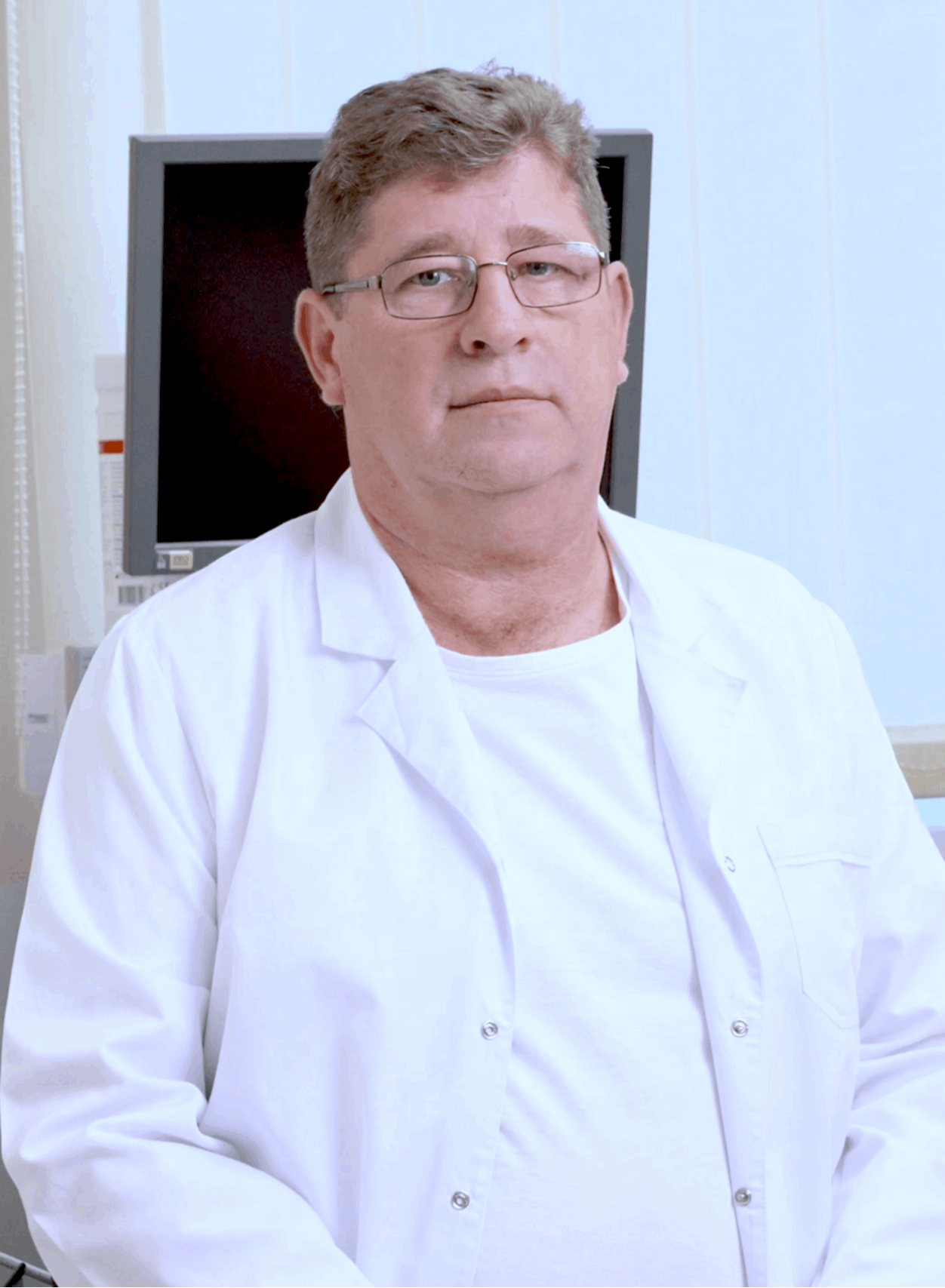
Alexey Khokhlov
Certified urologist
Member of the Latvian Association of Urologists
Work experience in urology 25 years
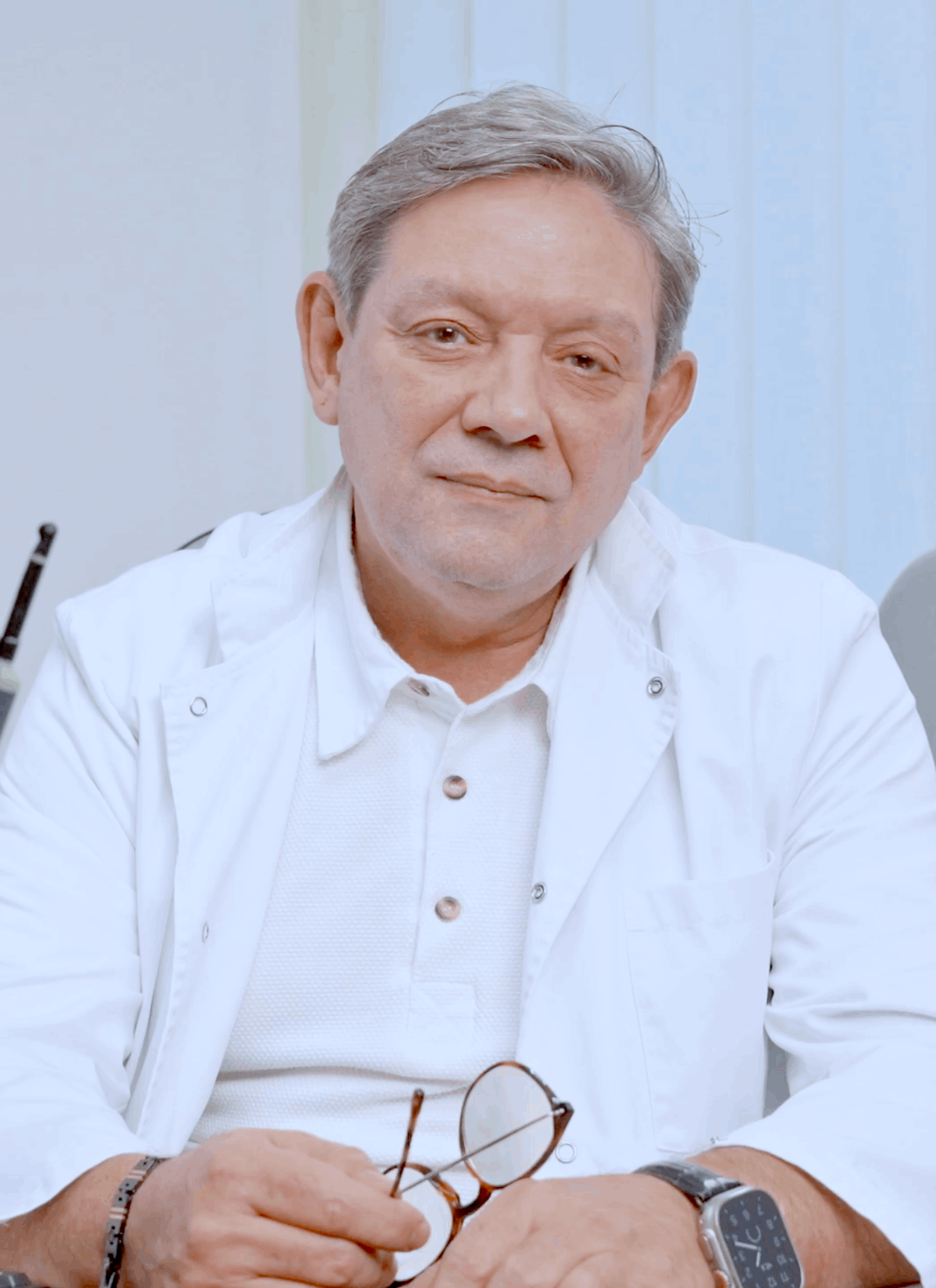
Oleg Hublarov
Certified urologist
Member of the Latvian Association of Urologists
Member of the European Association of Urologists
Head of the clinic
Work experience in urology 30 years

Tysia Bordow
Certified urologist
Member of the Latvian Association of Urologists
Work experience in urology 35 years
IMPORTANT TO KNOW
The professional answer would be: regularly, without waiting for symptoms that lead to the progression of the disease. Men over 40 years of age must visit a urologist at least once a year.
Unfortunately, if you don't have symptoms, it doesn't mean you're healthy.
There are many urological diseases, such as prostate cancer, that occur and progress asymptomatically and lead to an advanced stage where the consequences are irreversible.
• Pain when urinating;
• Blood in urine or semen;
• Difficulty urinating;
• Frequent urination, several times at night;
• Full bladder, feeling of incomplete emptying;
• Dark color of urine;
• Discharges from the urethra;
• Pain in the stomach, groin, back or side;
• swelling of the penis;
• Urinary incontinence.
• Pain, itching, discomfort in the genitals, groin and waist area, lower abdomen, perineum;
• Frequent, difficult or painful urination;
• Frequent urination at night;
• Feeling of incomplete bladder emptying;
• Incontinence, urinary incontinence when laughing, coughing, sneezing, physical activities;
• Discharge from the urethra, pain, pain when urinating;
• The presence of rashes, erosions, redness, discharge, plaque on the genitals.
For self-assessment of complaints and symptoms, the urological practice uses the Prostate Disease Symptom Assessment System (IPSS)
This is a simple international questionnaire that allows you to determine the severity of a urological problem and helps you decide whether to visit a urologist.

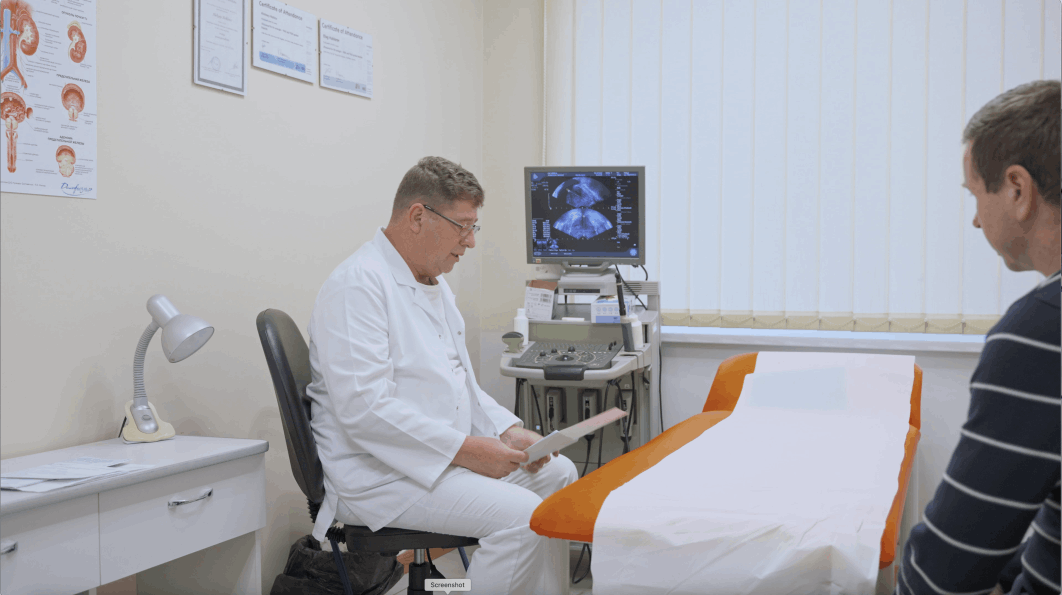
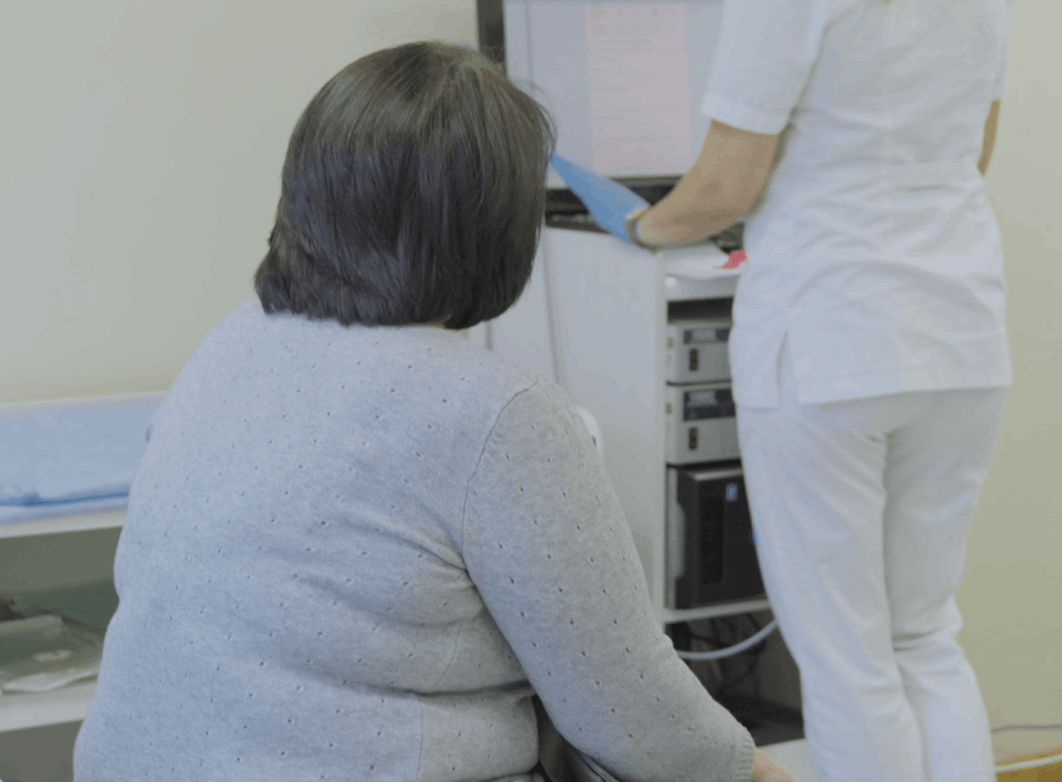
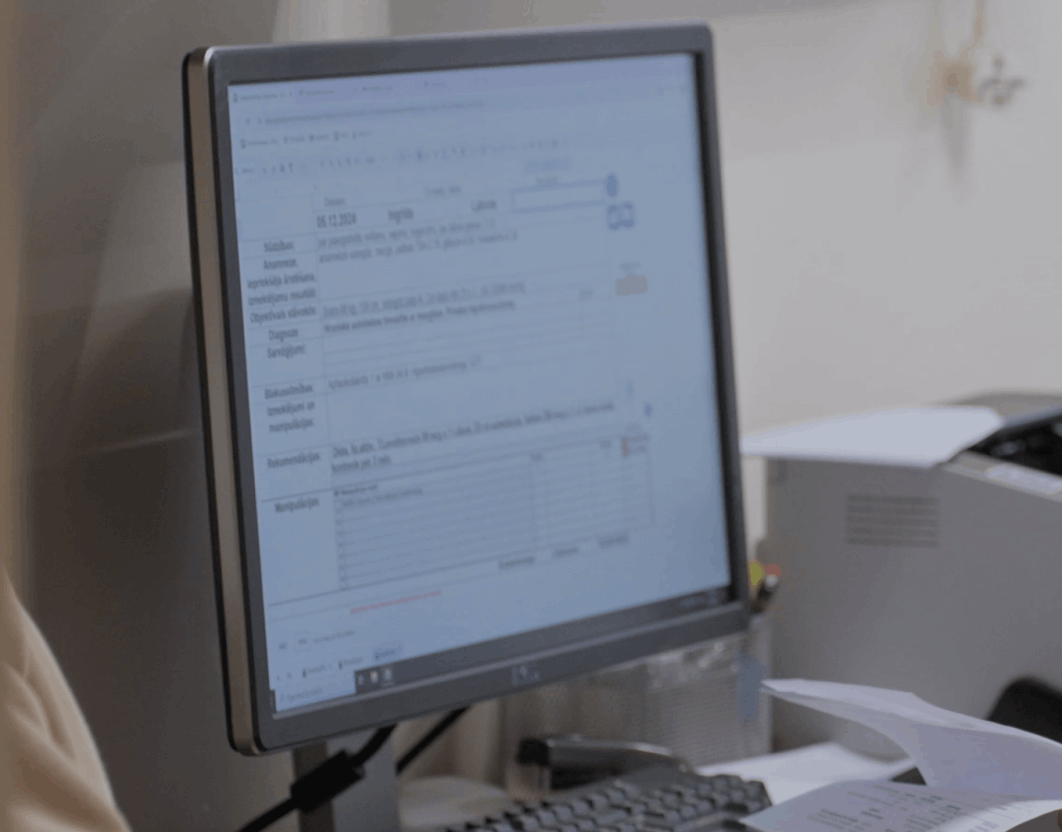
Questions you can ask your doctor:
- What is the prostate gland?
- Where is it located?
- What functions does the prostate gland perform?
- What are the causes of an enlarged prostate? Are there any problems with the prostate gland in other men? Like me I found out it's not prostate cancer?
- What are the symptoms of prostate adenoma?
- Are the symptoms of prostate adenoma getting worse? How fast?
- Are any of these symptoms dangerous?
- What tests should be performed to determine the diagnosis? prostate adenoma?
- How can I reduce the symptoms of prostate adenoma at home?
- Can I drink alcohol or caffeinated drinks, coffee?
- How much liquid can you drink during the day?
- Are there medications that can make the symptoms worse?
- What exercises help reduce the severity of my symptoms?
- What should I do to avoid waking up frequently at night to urinate?
- Can different herbs and organics reduce the severity of my symptoms? active additives? Do they really help? Are dietary supplements and herbs safe to use?
- What medications are used in the treatment of prostate adenoma? What groups of drugs are used to treat prostate adenoma? How are they different?
- Can medication completely eliminate adenoma symptoms? prostate?
- How long does the medicine last?
- What are the side effects of the medication that I should be aware of? attention?
In older men, the prostate gland often enlarges.
This condition is called benign prostatic hyperplasia (prostatic adenoma).
A prostate adenoma can cause urination problems.

DIAGNOSTICS
Consultations and diagnostics are carried out by appointment:
- with a referral from a family doctor (state program);
- without family doctor referral as paid services.
• Urethroscopy;
• Cystoscopy;
• Fibrocystoscopy;
• Cystoscopy with biopsy;
• Therapeutic cystoscopy;
• Ureteroscopy;
• Fiberuretererenoscopy;
• Endoscopy with stent evacuation.
• Ultrasound of the prostate (prostate) and semen
bubbles;
• Ultrasound of the organs of the scrotum;
• Penile ultrasound;
• Kidney and bladder ultrasound;
• Core biopsy of the prostate;
• Percutaneous cystostomy;
• Puncture of the hydraulic element under ultrasound control;
• Installation of radiological markers in the prostate
before radiotherapy.
• Filling cystometry;
• Victory cystometry;
• Profilometry;
• Uroflowmetry;
• Electromyography;
• Pressure-flow research;
• Biofeedback method.
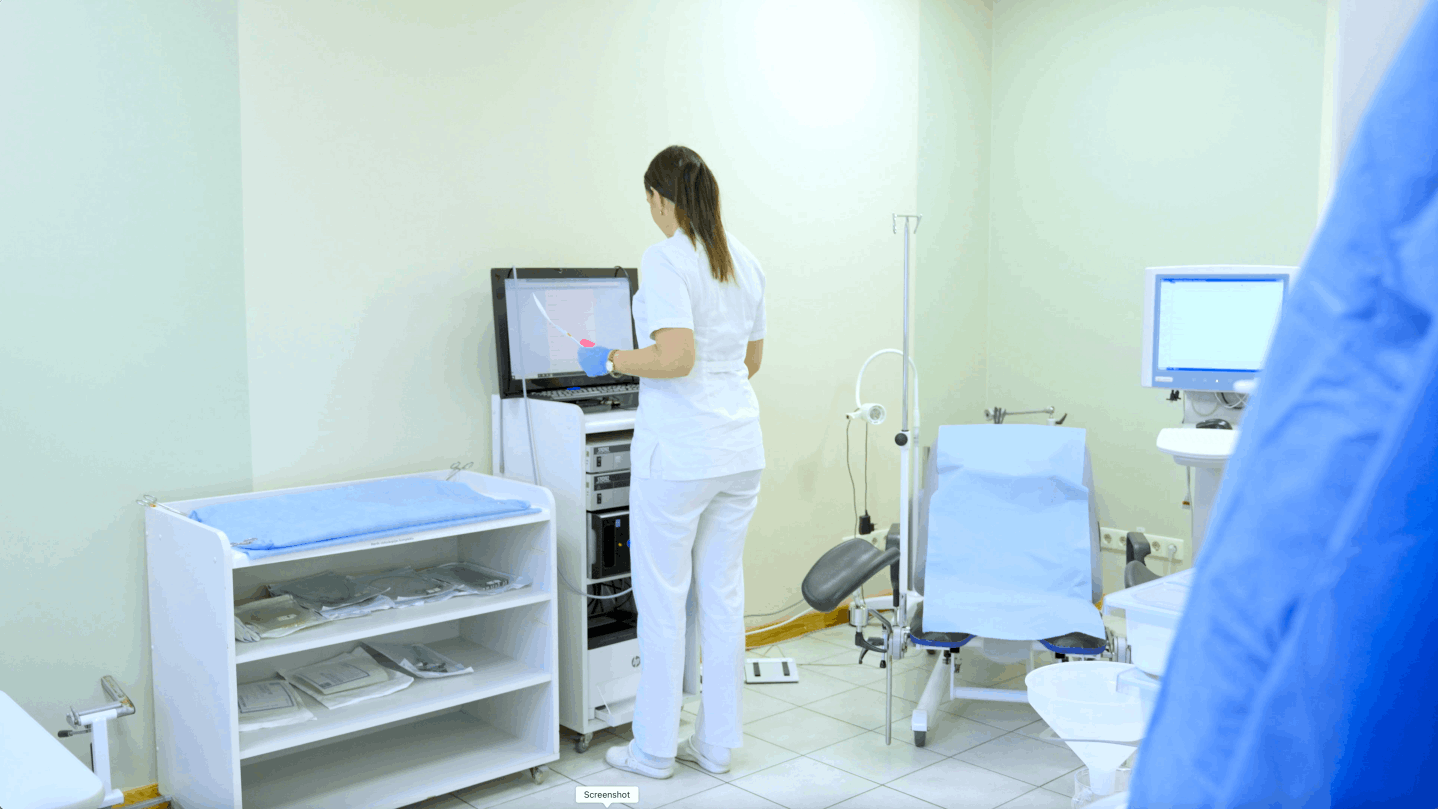
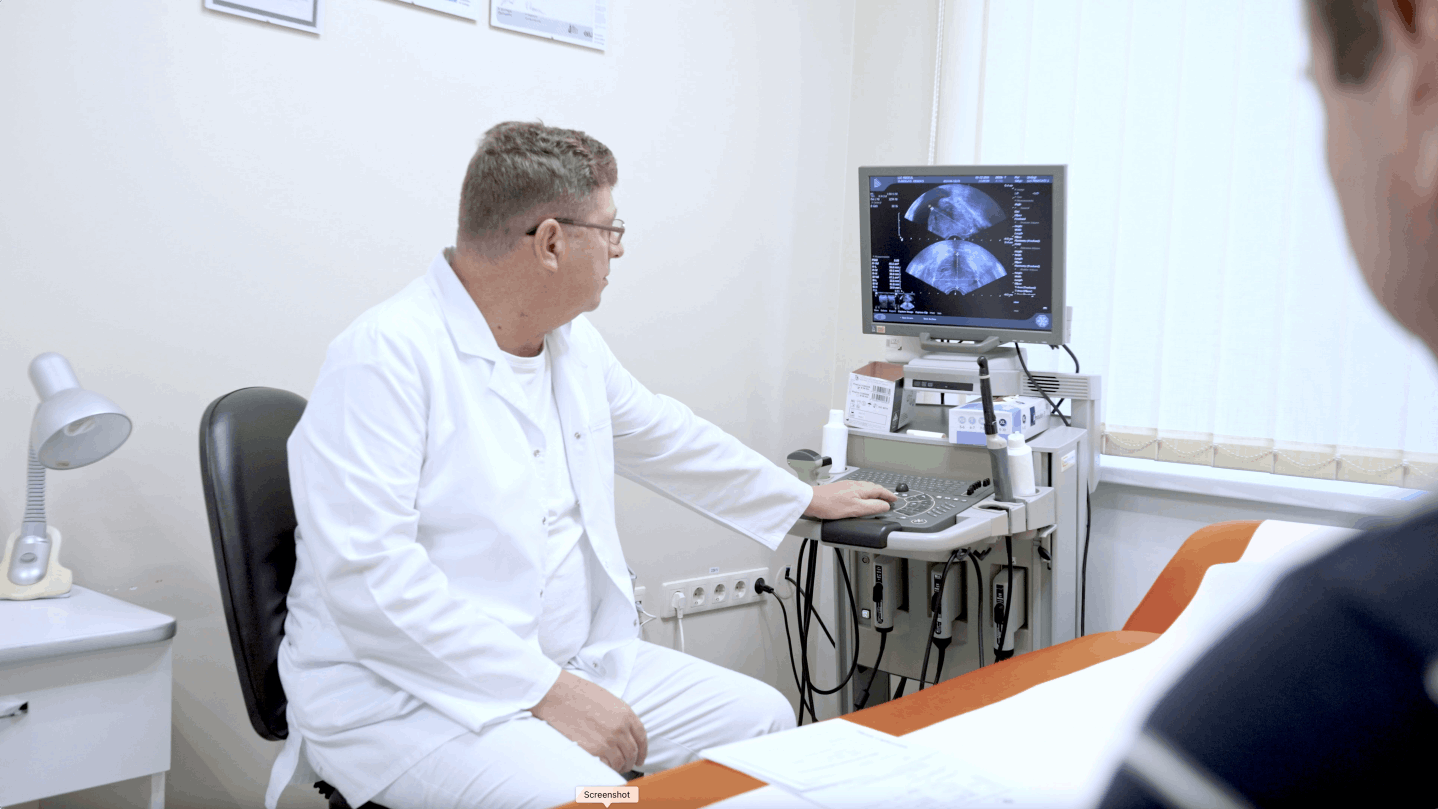
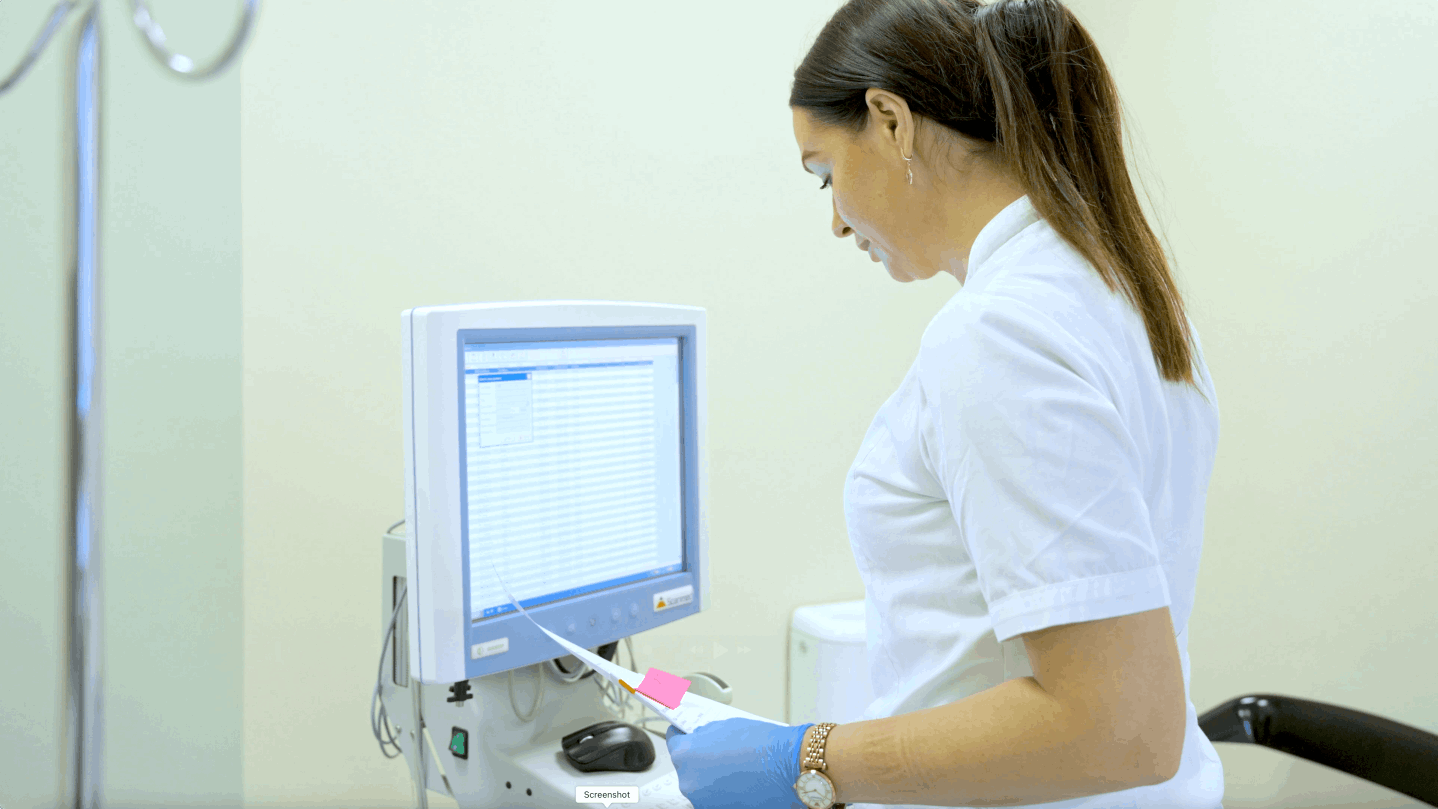
Cost of outpatient services
Consultations and diagnostics are carried out by appointment:
- with a referral from a family doctor (state program, only the patient's contribution is paid);
- without family doctor referral as paid services (the full service fee is paid).
The clinic has concluded an agreement with insurance companies for the provision of outpatient and inpatient services (more details here).
*The indicated prices are valid for residents of Latvia.
Questions you may ask if prostate adenoma surgical treatment is needed:
- I tried all possible conservative treatments and medications that can help in the treatment of prostate adenoma?
- How quickly will my symptoms get worse if I don't have surgery?
- What serious complications can occur if I do not have surgery?
- If I refuse surgery now, will later surgeries be less effective or more dangerous?
- What types of surgery are used to treat prostate adenoma?
- Which of these types of surgery is preferable in my situation?
- Will repeat surgery be necessary? What type of surgery takes longer? effect?
- What are the side effects of each type of prostate adenoma surgery?
- Which type of surgery is most likely to cause erectile problems? With urinary incontinence?
- How long will I have to stay in the hospital after surgery?
- How long is the recovery period after surgery?
- What can I do before surgery to speed up and facilitate recovery afterwards? operations?
- What is your doctor's experience in performing the recommended surgery?
Surgery is recommended.
What to ask!
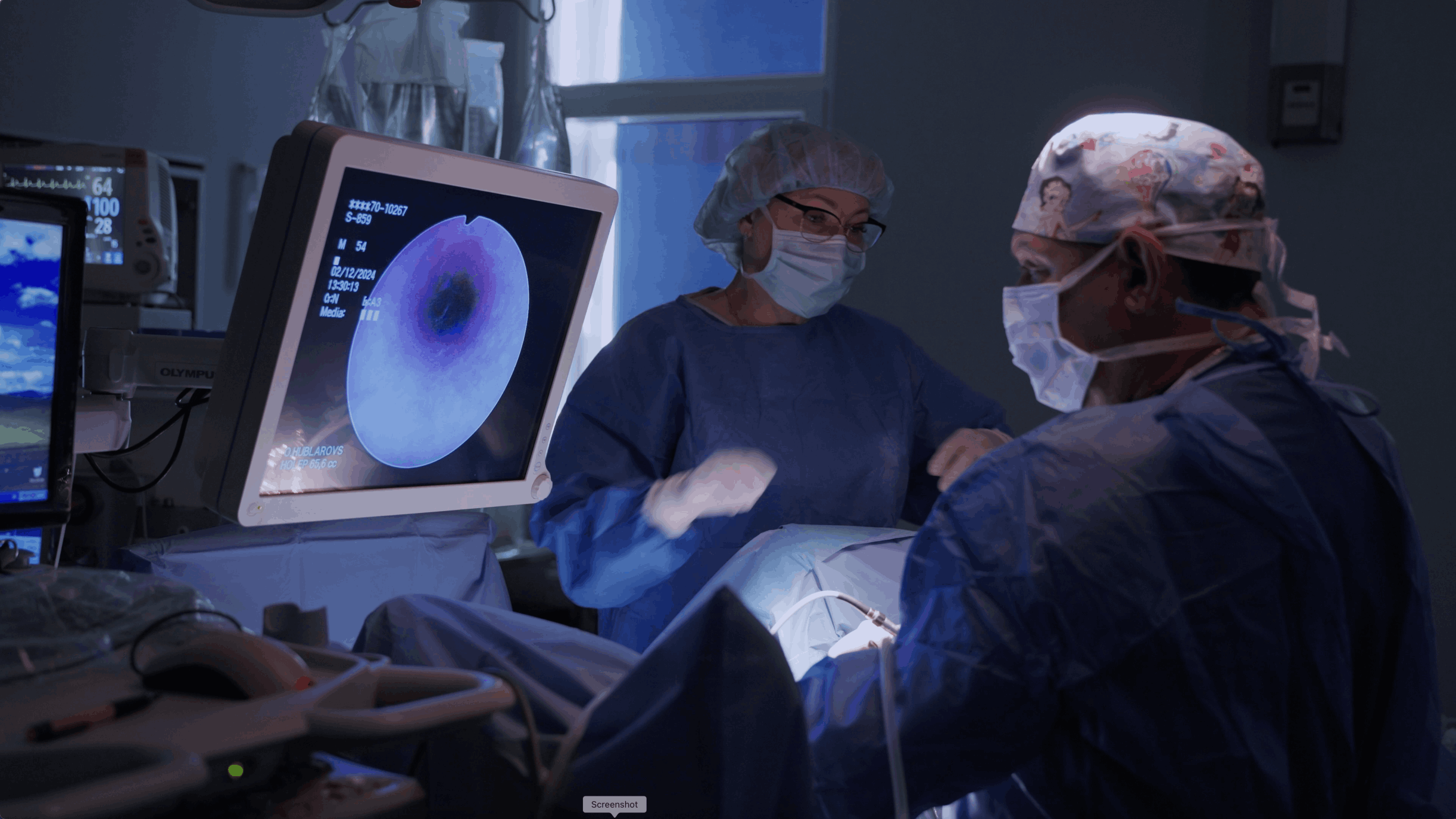
OPERATIONS
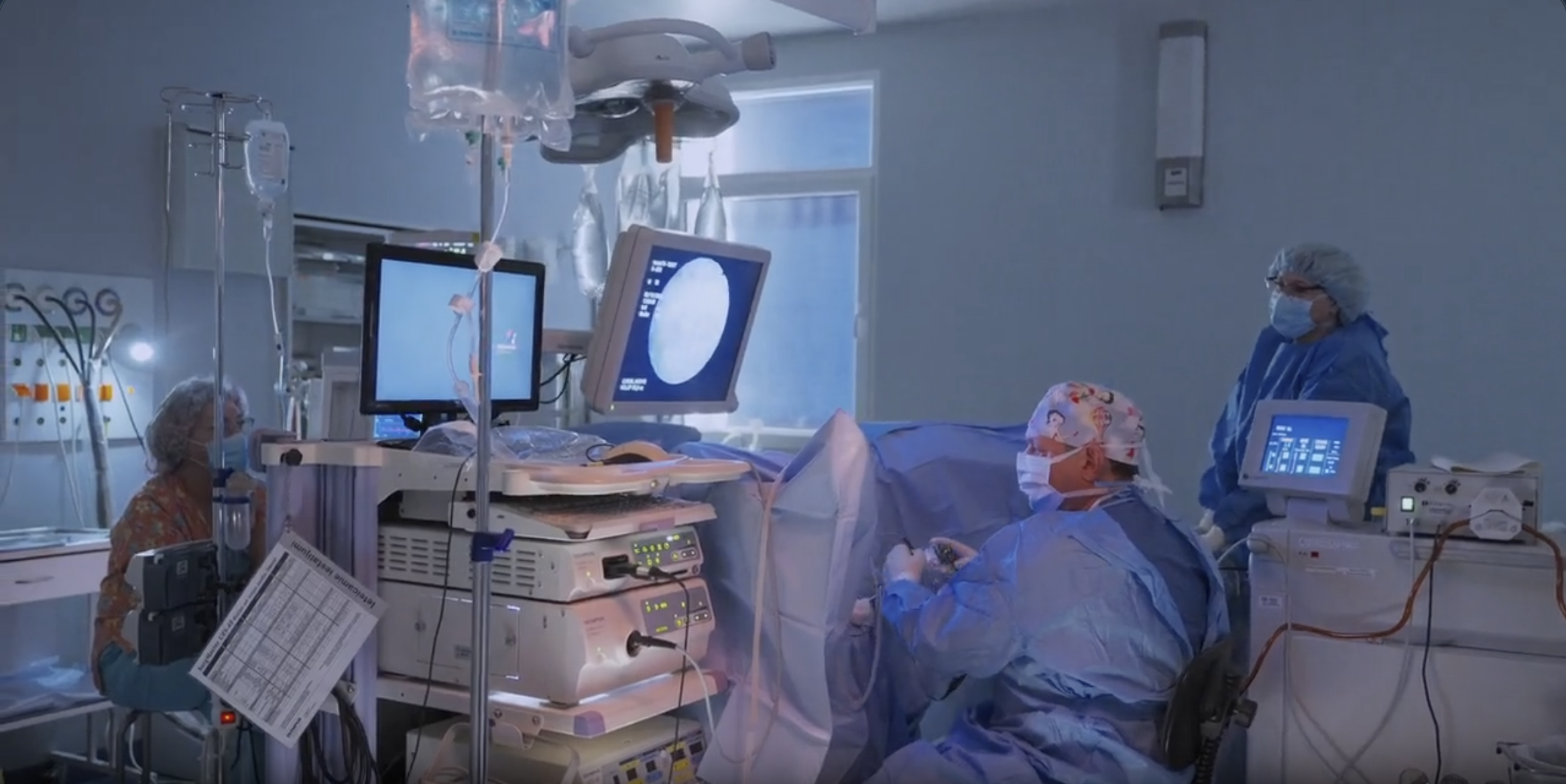
Operations are performed as planned:- Clinic inpatient;- Clinic days in the inpatient unit.
CHANGES IN SURGERY AND ELECTRORESECTION OF THE PROSTATE
• Internal optical urethrotomy
• Internal optical laser urethrotomy
• Internal optical urethrotomy using cystostomy and fibrocystoscope
• Transurethral bipolar resection of the prostate (TURP)
• Internal optical urethrotomy + transurethral bipolar resection of the prostate (TURP)
• Internal optical laser urethrotomy + transurethral bipolar resection of the prostate (TURP)
• Transurethral bipolar resection of the prostate (TURP) + laser or ultrasound cystolithotripsy
• Urethral polyp removal
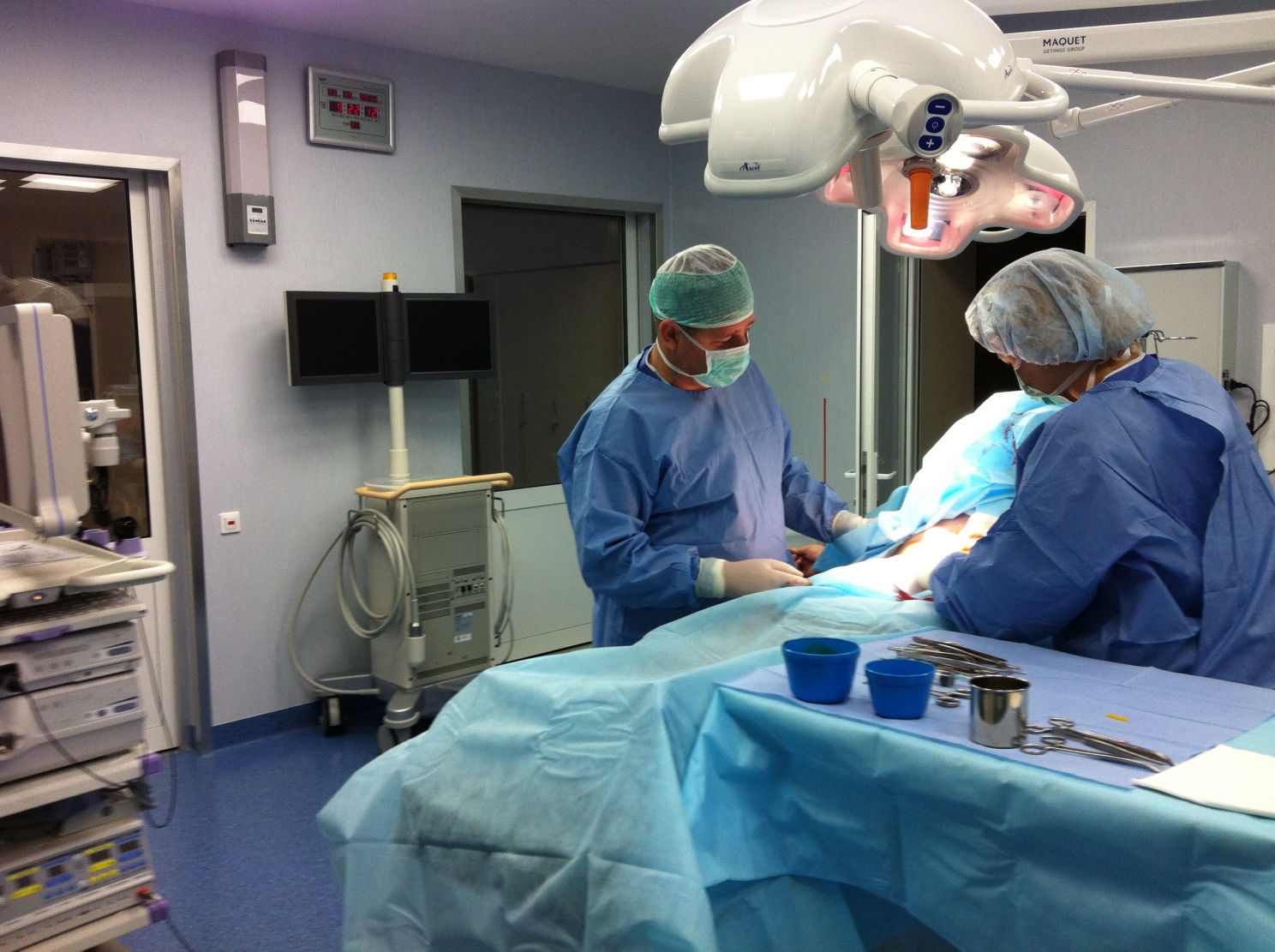
LASER RADICAL ENUCLEARING SURGERY OF THE PROSTATE (HOLEP) - LEARN MORE
• Holmium laser enucleation of the prostate (HoLEP) for prostate volume from 30 to >300 cm3
• Holmium laser enucleation of the prostate (HoLEP) + laser or ultrasound cystolithotripsy
• Internal optical laser urethrotomy + Holmium laser enucleation of the prostate (HoLEP) + laser
or ultrasound cystolithotripsy
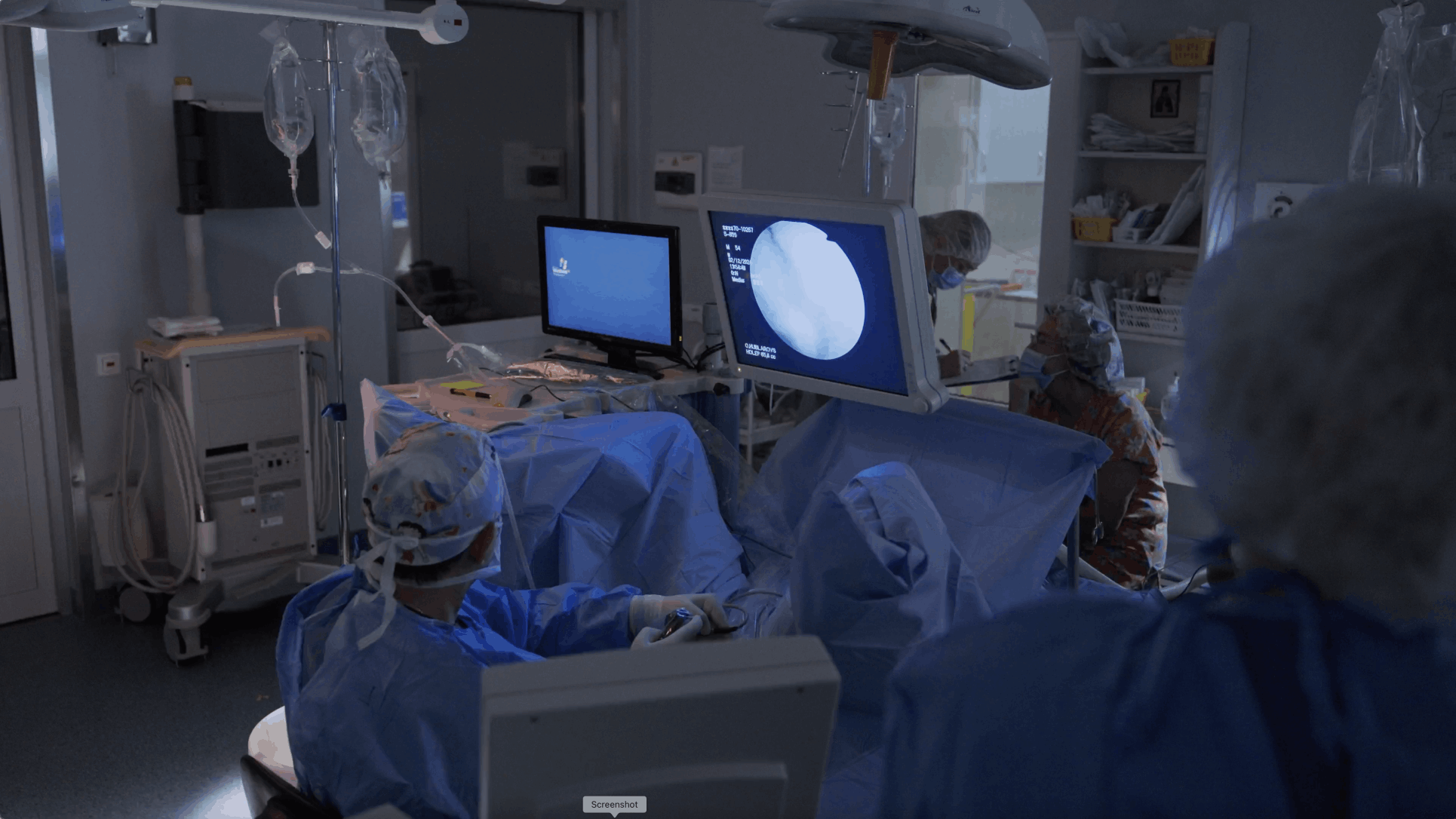
OPERATIONS ON THE PENIS AND SCOTCH
• Circumcision
• plastic surgery of the foreskin frenula
• Meatotomy
• Removal of penile oleogranuloma by skin plastic surgery
• Standard orchiectomy
• Radical orchiectomy for testicular cancer
• Standard orchiectomy with testicular prosthesis implantation
• Surgery for testicular varicocele, microsurgical according to MarMar
• Operations with hydrocele
• Excision of an epididymal or spermatic cord cyst
• Vasotomy (sterilization)
• Laser coagulation of multiple genital warts
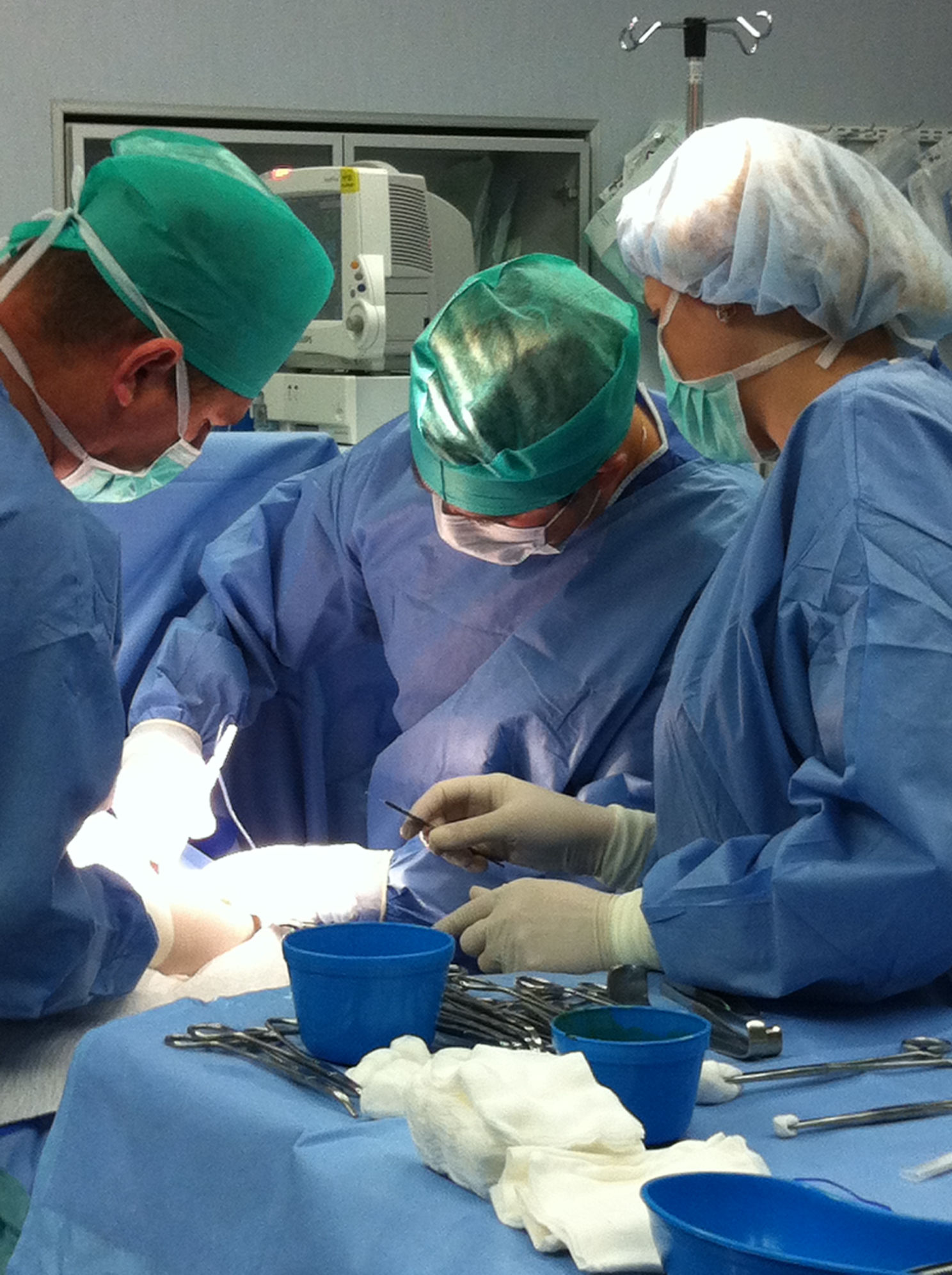
UPRUSH SURGERY KIDNEY AND URETERAL STONE SURGERY
• Bladder tumor TUR
• Laser ablation of bladder tumors
• Surgical closure of suprapubic bladder fistula
• Marsupilization of a paraurethral cyst
• Implantation of a female strap for urinary incontinence (FUT) (more details)
• Communicate with cystolithotripsy laser or ultrasound
• Percutaneous suprapubic contact laser or ultrasound cystolithotripsy
• UR ureterocele
• Endoscopic dissection of the ureteral opening
• Installation of a ureteral stent
• Ureteropyeloscopy with lithotripsy
• Fibrureteropyeloscopy with lithotripsy and lithoextraction
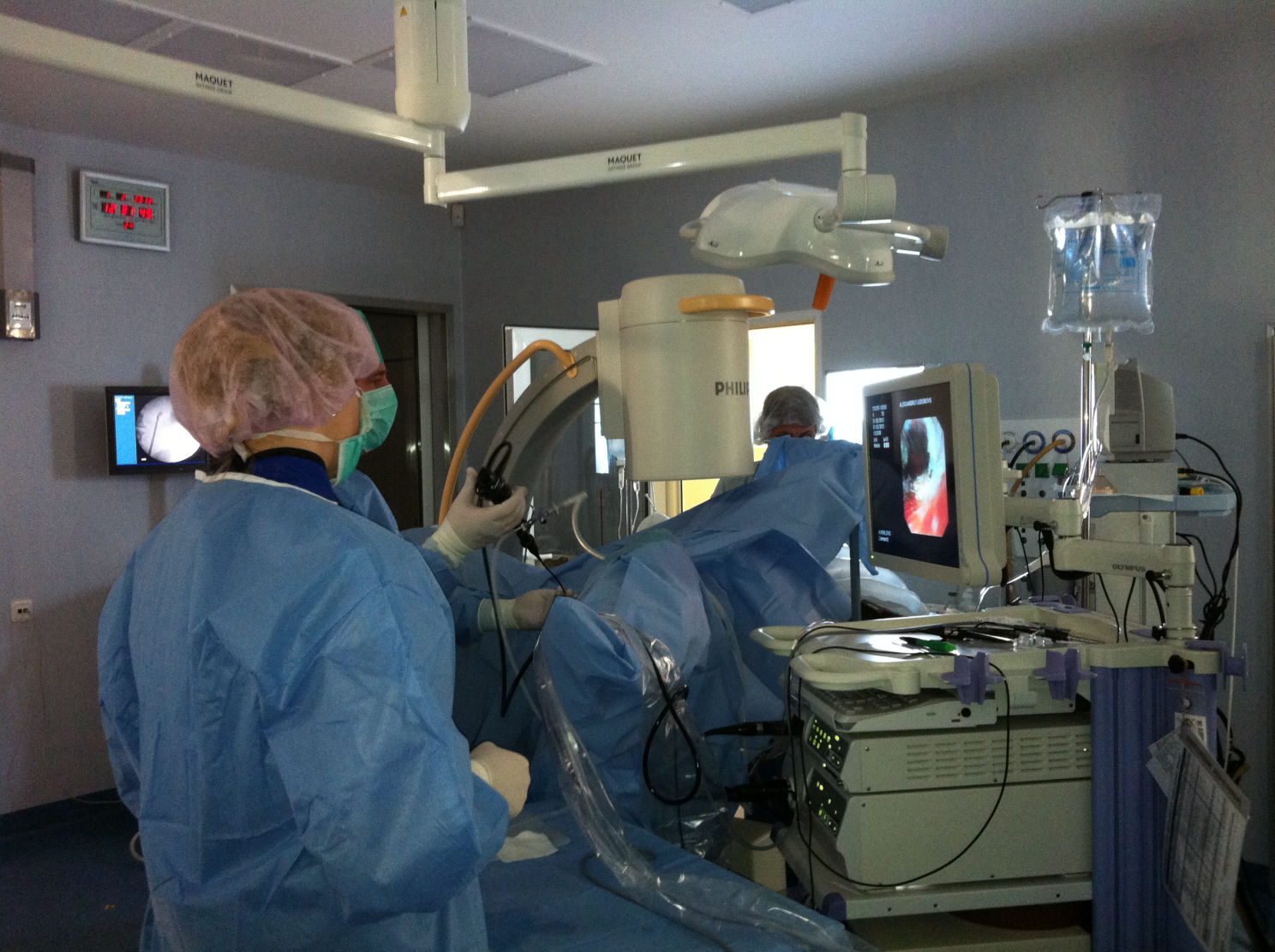
COST OPERATIONS *
The indicated costs of operations include:
1) surgical intervention;
2) anesthesia care (anesthesia procedures and manipulations);
3) work of the operative team;
4) auxiliary materials, devices and medicines;
5) staying in a hospital ward;
6) nutrition, according to the instructions of the attending physician.
** In addition to the costs of inpatient treatment, the following are paid:
1) additional manipulations, procedures, diagnostic tests and consultations of doctors-specialists during the hospital stay;
2) laboratory examinations before surgery;
3) stay in the hospital hotel before or after the operation;
4) implants and prostheses, if they are not included in the cost of the operation.
(* specified in operation names)
*The indicated prices are valid for residents of Latvia.
Clinic partners
The clinic works with insurers, laboratories and healthcare partners.